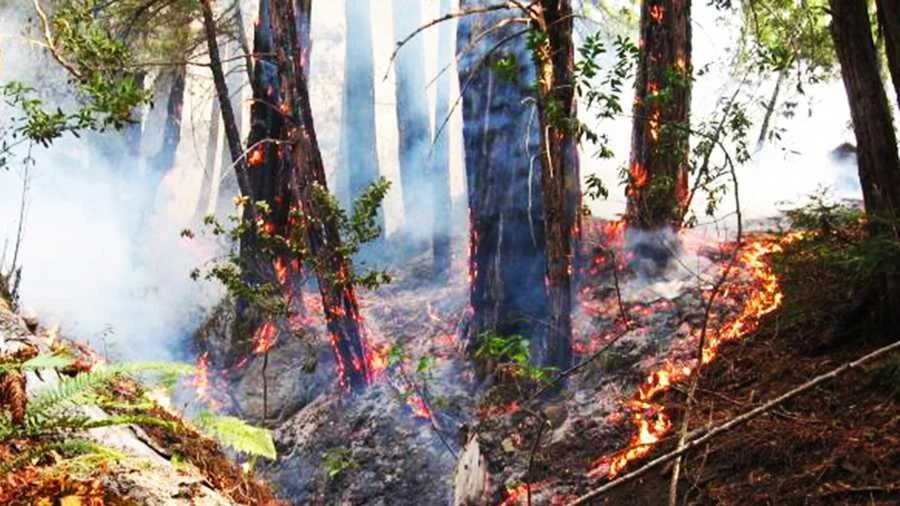
Fire has always been part of Big Sur. So has chaparral, steep terrain, wind, and long periods of natural recovery. What is new is the growing pressure to treat this place as if it were a suburban interface, rather than the wilderness landscape it has always been.
Big Sur is not a neighborhood surrounded by nature. It is nature, with homes intentionally placed within it. That distinction matters. Fire policy here must reflect ecology, history, and reality on the ground—not fear-based assumptions or one-size-fits-all rules imported from very different places.
Chaparral is not just “fuel.” It is the native plant community that stabilizes slopes, protects watersheds, supports wildlife, and defines the scenic character of this coast. Fire is a natural and necessary part of that system. Many native plants depend on it for regeneration. Historically, most fires in Big Sur have not been fast-moving, wind-driven catastrophes. Those events do happen, and they are serious, but they are not the norm. Most fires here historically moved more slowly, shaped by terrain and marine air, and often took weeks or months to contain.
When a fire starts, that is when its behavior and how it will be fought are decided. Weather, wind, fuel moisture, access, available crews, and aircraft all matter, and they change constantly. No one can reasonably predict years in advance how a future fire will behave. Trying to engineer certainty by clearing vast areas of native vegetation creates an illusion of control rather than real resilience.
What science shows, and what recent experience confirms, is that in wind-driven fires the primary fuel is usually the structure itself. Homes burn because embers enter vents, collect in eaves, ignite decks, or land on combustible roofs and siding. Once a house ignites, it becomes a powerful fuel source. The begonias, native groundcover, or low plants near a foundation are not what determine whether a home survives.
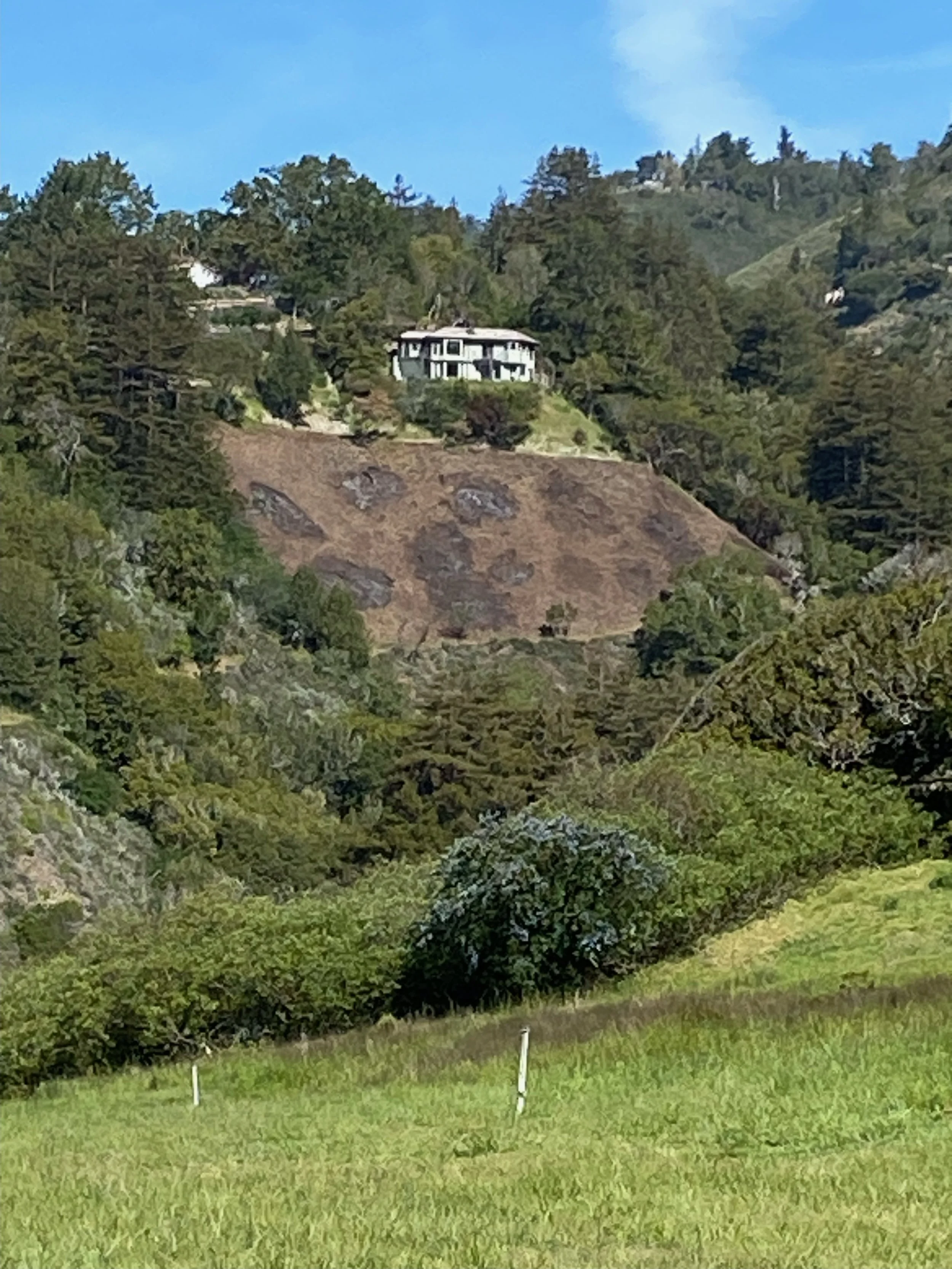
This is why rigid rules like stripping everything within five feet of structures to bare dirt often miss the point in places like Big Sur. These rules can increase erosion, invite invasive species, and damage native systems while doing little to address the real causes of structure loss. Similarly, proposals to clear acres of ridgelines ignore the reality that vegetation here grows back quickly and must be maintained forever to remain effective—something that is rarely feasible.
Large-scale clearing also creates another serious problem: invasive grasses. After disturbance, non-native annual grasses are often the first plants to return. They cure early, burn easily, and carry fire rapidly. In many cases, they create a worse fire hazard than the native chaparral they replace. Once established, these invasive systems are extremely difficult to reverse.
These concerns are not theoretical. In a landmark case, Cal Fire lost a lawsuit brought by the Chaparral Institute for failing to properly evaluate the environmental impacts of large fuel-reduction projects. The court affirmed that even fire-prevention efforts must follow environmental law and be based on sound science. That ruling matters because it recognizes that broad vegetation removal is not automatically beneficial and can cause real harm if done without careful analysis and public oversight.
Fire preparedness in Big Sur must also recognize what has improved. Fire detection systems are far better than they were even a decade ago. Coordination between the U.S. Forest Service, Cal Fire, and Big Sur Fire allows for faster response to new ignitions. Cal Fire’s air resources have improved significantly in speed and effectiveness. Early detection and rapid initial attack remain among the most effective tools we have.
It is also important to say clearly: most people who live in Big Sur take fire risk seriously. Properties are maintained, access is considered, and many homes have already been hardened over time. This is not a community ignoring danger.
At the same time, many wildfires in this region are human-caused, often by visitors who insist on having campfires without understanding the risks of this landscape. Preventing ignitions through education, enforcement, and changing expectations around recreational fire would do more to reduce wildfire risk than clearing large areas of native habitat that will inevitably grow back.
Finally, there is a land-use consequence that cannot be ignored. Large-scale fire clearance has begun to open up areas of the critical viewshed that were previously protected by intact vegetation. This is not acceptable in Big Sur. Fire safety cannot become a backdoor way to expose ridgelines or create new development pressure in areas the Big Sur Land Use Plan was designed to protect. Both residents and agencies must be vigilant to ensure vegetation management does not undermine long-standing coastal protections or bypass public process.
Big Sur does not need to be suburbanized in the name of safety. It needs fire strategies rooted in science, local ecology, and respect for the land-use framework that has protected this coast for generations. Living here has always meant accepting uncertainty. The goal is not to dominate the landscape, but to live within it wisely—protecting lives, homes, and the extraordinary place we all care about.